
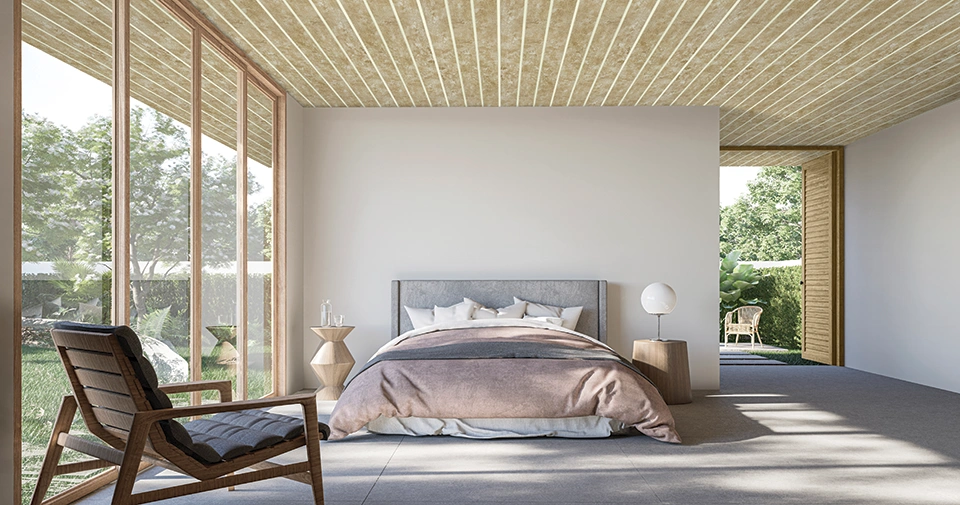
When you think of a beautiful home elevation, you probably picture clean roof lines, elegant pergolas, and stylish balcony details. A big part of that look comes from one simple element: rafters.
For years, Indian homes have relied on wooden rafters to create warm, natural-looking exteriors. But with changing weather conditions, rising maintenance costs, and the need for long-lasting materials, PVC rafters are becoming a popular alternative.
So which one is actually better for your elevation – PVC or wood?
Let’s break it down in a simple, practical way so you can choose confidently for your next project.

-
-
-
-
-
-
-
-
-
-
-
-
-
- Understanding the Basics: PVC Rafters vs Wooden Rafters
- Aesthetic Comparison – Which Looks Better on Elevations?
- Performance in Indian Weather Conditions
- Maintenance & Lifespan
- Cost Comparison – Initial vs Lifetime Cost
- Structural & Practical Considerations
- Where Each Material Works Best
- Sustainability & Environmental Considerations
- How to Choose Between PVC and Wooden Rafters for Your Home
- Why PVC Rafters from Treeplast Are a Smart Choice
- FAQs – PVC Rafters vs Wooden Rafters
- Conclusion: So, Which Is Better for Your Elevation?
-
-
-
-
-
-
-
-
-
-
-
-
Understanding the Basics: PVC Rafters vs Wooden Rafters
What Are Wooden Rafters?
Wooden rafters are structural or decorative beams made from natural timber.
They’re commonly used in:
- Roof eaves and projections
- Pergolas and gazebos
- Verandahs and sit-outs
- Farmhouse and villa-style exteriors
They offer a natural grain and warmth that many homeowners love.
But because they are real wood, they are also vulnerable to:
- Moisture and swelling
- Termites and borers
- Cracking, fading and warping over time
What Are PVC Rafters?
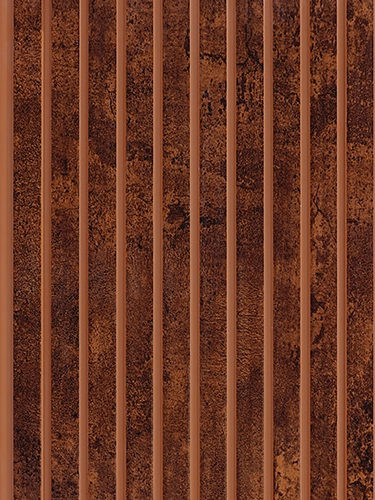
PVC rafters are engineered profiles made from high-quality PVC that are designed to look like wood but behave like a modern, weather-resistant material.
They’re used in exactly the same places as wooden rafters:
- Under roof eaves
- In terrace pergolas
- On balcony ceilings
- As façade highlights and bands
The key difference? PVC rafters are:
- Waterproof
- Termite-proof
- Low-maintenance
Treeplast offers PVC rafter solutions designed specifically for Indian conditions, giving you a wood-like finish without the problems that come with actual timber.
Aesthetic Comparison – Which Looks Better on Elevations?
Natural Look & Warmth
Wood naturally has a beautiful grain and character. For traditional or heritage-style homes, this can be very appealing.
However, modern PVC rafters are designed to closely mimic that wood look with:
- Teak-style finishes
- Walnut-style finishes
- Other wood-tone options
From street level, most people can’t tell the difference between a good PVC wood-finish rafter and a painted wooden rafter – especially once rafters are installed at height under the roof.
Colour & Finish Options
With wooden rafters:
- Your colour options are usually limited to stains and paints.
- Over time, paint can peel or fade, and you may need to repaint.
With PVC rafters:
- Finishes are factory-applied and consistent.
- You can choose from multiple wood textures and neutral shades depending on your design.
- There’s no on-site painting mess for the rafters themselves.
Consistency of Appearance
Wood is a natural material, so even pieces from the same batch can:
- Vary in grain
- Absorb paint differently
- Age unevenly
PVC rafters, on the other hand, are manufactured with:
- Uniform texture
- Consistent colour
- Identical dimensions
This consistency is a big advantage if you want a clean, modern elevation with perfectly aligned, matching rafters across the whole façade.
Performance in Indian Weather Conditions
India’s climate is tough on exterior materials – strong sun, heavy monsoon, humidity, and in many places, salty coastal air.
Moisture & Rain
Wooden rafters:
- Can absorb moisture and swell
- Are prone to rot if water seeps in
- May warp or sag over time in heavy-rainfall regions
PVC rafters:
- Do not absorb water
- Are ideal for monsoon-prone or coastal areas
- Retain their shape and size even with repeated wet–dry cycles
Heat & UV Exposure
Wood under the harsh Indian sun can:
- Fade
- Crack
- Require frequent repainting or polishing
PVC rafters:
- Are engineered to withstand sun exposure when installed correctly
- Maintain their colour and appearance much longer than painted wood, provided basic cleaning is done as needed
Termites & Pests
This is a major concern for Indian homes.
Wooden rafters:
- Are always at risk of termite and borer damage
- Need regular chemical treatments and inspections
PVC rafters:
- Are inherently termite-proof
- Do not require anti-termite chemicals or special pest maintenance
Maintenance & Lifespan
Maintenance Requirements
Wooden rafters look good on day one – but only if you’re prepared to maintain them.
Wood typically needs:
- Repainting or polishing every few years
- Periodic anti-termite treatments
- Occasional replacement of damaged or cracked sections
PVC rafters, by contrast, are a “fit and forget” solution:
- No painting or polishing required
- No termite treatment needed
- Basic cleaning with water or a cloth is usually enough
Long-Term Durability
Over a 5–10 year period:
- Wood is likely to show signs of wear: fading, cracking, moisture damage, or termite issues.
- PVC rafters, when properly installed, retain their shape, finish and function with very little intervention.
If you don’t want to think about your rafters every couple of years, PVC is the more stress-free choice.
Cost Comparison – Initial vs Lifetime Cost
Many homeowners initially compare only the per-piece cost of wood vs PVC. But that’s only part of the story.
Initial Material & Installation Cost
- In some cases, basic wooden rafters may appear cheaper than PVC options.
- However, when you choose better-quality, seasoned wood and factor in proper paint or polish, the difference narrows.
- PVC rafters are often similar in overall initial cost to a well-finished wooden rafter system.
Ongoing Costs
This is where PVC usually wins clearly:
Wood:
- Repainting / polishing
- Termite treatment
- Repairs or replacements due to rot or cracking
PVC:
- No repainting
- No termite treatment
- Very low probability of replacement due to weather-related damage
Lifetime Value
When you add up 5–10 years of maintenance and potential damage, wooden rafters generally end up costing significantly more than PVC, even if the starting price was slightly lower.
Planning rafters for your elevation and not sure how to estimate cost? Our PVC Rafters Price Guide explains typical price ranges, key cost factors and how to calculate approximate price per sq ft so you can budget your project confidently.
Structural & Practical Considerations
Weight & Handling
- Wooden rafters can be quite heavy, especially hardwoods, which makes lifting and fixing them more labour-intensive.
- PVC rafters are lighter, easier to handle and simpler to work with at height.
Installation
Both materials need:
- A frame or support structure
- Proper fixing and alignment
But with PVC rafters:
- There is no need for on-site sanding or painting of the rafter itself.
- Installation is cleaner and faster since profiles are factory-finished.
Safety & Stability
Because PVC rafters are manufactured with consistent dimensions, they:
- Line up neatly
- Are easier to align for straight, uniform lines
- Provide predictable behaviour over time when fixed correctly
Wood can sometimes twist or bow slightly, especially if not perfectly seasoned, which can affect the finished look.
Where Each Material Works Best
When Wooden Rafters Might Still Make Sense
Wood can still be preferred when:
- You are restoring a heritage building where authentic materials are required.
- The design brief specifically demands natural timber, and the owner is willing to invest in maintenance.
- The area is semi-covered and less exposed, and you have good control over moisture and pests.
When PVC Rafters Are the Smarter Choice
PVC rafters are usually the better option when:
- You’re building a modern villa, farmhouse, bungalow or duplex.
- Your home is in a coastal or high-rainfall region.
- You want rafters for pergolas, balconies, verandah ceilings, sit-outs or car porches.
- You want a wood-like look without worrying about termites, repainting and cracking.
- You’re renovating and want a “done once, done right” solution.
For most contemporary Indian homes, PVC rafters offer a much better balance of looks, performance and cost.
Sustainability & Environmental Considerations
Sustainability is a complex topic, but here are a few straightforward points:
- Good-quality wood should ideally come from responsibly managed sources – which can be expensive and not always guaranteed.
- Wooden rafters often require repeated coats of paint, polish and chemical termite treatment over their life.
- PVC rafters last longer and don’t need repainting or aggressive pest control chemicals, which reduces maintenance-related environmental impact over time.
The most sustainable solution is one that balances:
- Longer lifespan
- Lower maintenance interventions
- Responsible sourcing and manufacturing
PVC rafters can be a practical choice here, especially when used in combination with other long-lasting façade materials.
How to Choose Between PVC and Wooden Rafters for Your Home
Here’s a quick checklist you can use:
Climate:
Coastal / high-rainfall / humid → strongly favour PVC.
Dry but very sunny → PVC is still preferred due to UV and cracking issues with wood.
Look & Style:
Ultra-traditional / heritage → may consider wood.
Modern / contemporary / farmhouse → PVC with wood finish works beautifully.
Maintenance Comfort:
If you don’t want to repaint, polish or treat termites regularly → PVC.
Budget Thinking:
Short-term, lowest upfront cost → sometimes wood.
Long-term, best overall value → usually PVC.
Project Type:
New build, long-term home → PVC is a smart, future-ready choice.
Quick temporary setup → low-cost timber can be used with awareness of shorter life.
Why PVC Rafters from Treeplast Are a Smart Choice
Treeplast is known for its uPVC and PVC-based products for Indian homes – from wall panels and ceilings to furniture and exterior solutions.
When you choose PVC rafters from Treeplast, you get:
- Profiles designed specifically for Indian weather and exterior use
- Attractive wood-look finishes that complement modern and classic designs
- Consistent quality, colour and size across batches
- Solutions that work well with other Treeplast products, so you can create a cohesive look for interiors and exteriors
- Support for homeowners, architects and contractors in selecting the right profiles, planning quantities and estimating cost
Whether you’re designing a new pergola, upgrading your balcony soffit, or planning a fresh front elevation, Treeplast PVC rafters help you achieve a premium wood-like look without the ongoing headaches of real wood.
Explore our uPVC rafter panel 9x300mm range to add sleek linear patterns that complement contemporary interiors and are easy to clean and maintain.

FAQs – PVC Rafters vs Wooden Rafters
Do PVC rafters really look like natural wood from a distance?
Yes. Quality PVC rafters with wood-texture finishes look very similar to painted or polished wood, especially when installed under roofs or in pergolas where they’re viewed from a distance.
Will PVC rafters fade or crack over time?
PVC rafters from reliable manufacturers are engineered for outdoor use and designed to handle typical sun and rain exposure. With proper installation and basic cleaning, they maintain their appearance well over the years.
Are PVC rafters suitable for pergolas and terrace sit-outs?
Absolutely. PVC rafters are ideal for pergolas, terrace seating, car porches and outdoor cafés because they are waterproof, termite-proof and low-maintenance.
How does the cost of PVC rafters compare to wooden rafters?
Initial pricing can be similar or slightly higher than some wood options, but PVC usually wins on long-term value. Once you include repainting, polishing and termite treatment for wood, PVC typically becomes more economical over a few years.
Can I mix PVC rafters with other materials like WPC, ACP or HPL?
Yes. Many designers combine PVC rafters with WPC louvers, ACP/HPL sheets or cladding to create layered, modern elevations. Treeplast products can be part of such combinations to deliver a premium, coordinated look.
Conclusion: So, Which Is Better for Your Elevation?
If you love the look of wood but don’t want the ongoing hassle and expense that comes with it, PVC rafters are almost always the better choice for modern Indian homes.
They offer:
- Wood-like aesthetics
- Strong performance in Indian weather
- Minimal maintenance
- Better long-term value
Wood still has its place in very specific, high-maintenance, traditional projects – but for most homeowners, architects and builders today, PVC rafters are the smarter, future-ready option.


